Detail A2 · Glenoid implant design & optimizationOngoing
A shoulder implant that stays in place
In a total shoulder replacement, the glenoid component (the socket side) can loosen over time. It is one of the most common causes of failure. Our team is working toward a design that resists it.
9 biomechanical & FE studies reviewed
3 project phases
Problem statement
Glenoid loosening is one of the most common causes of failure in total shoulder replacement. How can the implant’s design reduce it?
Team & role
Georges Charpak Institute of Human BiomechanicsPartner institute
Methodology & approach
- Literature review. A critical review of nine biomechanical and finite-element studies on glenoid loosening.
- Modeling. A finite-element model of a cemented glenoid implant.
- Lab testing. Testing the cemented implant to validate the model and guide a new design.
Results & findings
Project in progress, in collaboration with the Georges Charpak Institute of Human Biomechanics.
See also
Related projects
A1OngoingHelicon (ABEP) & ECR feasibility study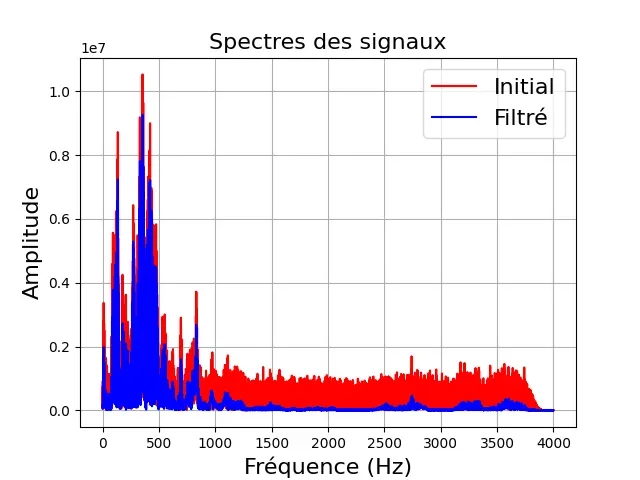 A4CompletedTIPE research project
Air-breathing plasma thruster for CubeSats
Using the thin upper atmosphere as propellant to keep very-low-orbit satellites aloft.
DateSep 2026 – presentTeam7-person teamDetail →A4CompletedTIPE research projectRecovering a voice from a noisy recording
I compared digital filters with spectral subtraction, tuned the method to remove its artifacts, then made it run live on a microphone feed.
DateSep 2024 – Jul 2025Team2-person teamDetail →